
Retiree Car Insurance After Dropping a Second Vehicle — Alpharetta, GA
Free to compare
When the Second Car Leaves but the Premium Stays
You sold the second car last month, called your carrier to remove it from the policy, and expected a meaningful drop. The new premium arrived and it's barely lower than what you paid for two vehicles. The multi-car discount disappeared, but so did only a fraction of the cost. You're now paying nearly the same rate for half the coverage you carried a month ago.
This happens because most carriers treat vehicle removal as a subtraction exercise, not a recalculation trigger. They drop the second car's premium and the multi-car discount simultaneously, leaving you with a single-vehicle rate that may actually be higher per car than what you paid under the bundled structure. For Georgia retirees on fixed income, that math doesn't work. The pathway forward involves two moves most agents won't mention: claiming the state-mandated mature-driver discount you likely never submitted paperwork for, and comparing carriers that price single-vehicle retiree policies more favorably than your current one does.
“Dropping the second car removes the multi-car discount entirely, leaving you with a single-vehicle rate that may cost more per car than the bundled structure you just left.”

Keep Your Georgia Coverage Right for Retirement
Get My Georgia Retiree Auto Insurance Quote10%
Georgia Statutory Discount Floor
Georgia law requires insurers to offer at least a 10% discount to drivers 25 and older with a clean record who complete a state-approved defensive driving course. The discount is not automatic: you must submit the course certificate to your carrier, and many retirees never do.
O.C.G.A. §33-9-42
Why Losing the Multi-Car Discount Hits Harder Than Losing the Second Car
Multi-car discounts typically run 15 to 25 percent off the combined premium, applied to both vehicles. When you remove one car, the carrier removes that vehicle's base premium and removes the entire multi-car discount structure. What remains is the single-vehicle rate for your remaining car, priced without any bundling advantage. If your original two-car premium was $1,200 annually with a 20% multi-car discount, you weren't paying $600 per car. You were paying roughly $480 per car after the discount. Drop one vehicle and the carrier charges the undiscounted single-vehicle rate for the one that remains, often $650 or more, depending on the vehicle and your profile.
The retiree who drove both cars during working years and now drives one in retirement faces a structural penalty: you're treated as a single-vehicle policyholder, but your rate reflects the risk profile and loss history of a two-car household. Carriers don't automatically recalibrate for reduced annual mileage, garage space freed up, or the fact that one driver is now covering one vehicle instead of splitting time between two. That recalibration requires you to shop, disclose your actual annual mileage, and apply for every discount the carrier offers but doesn't mention.
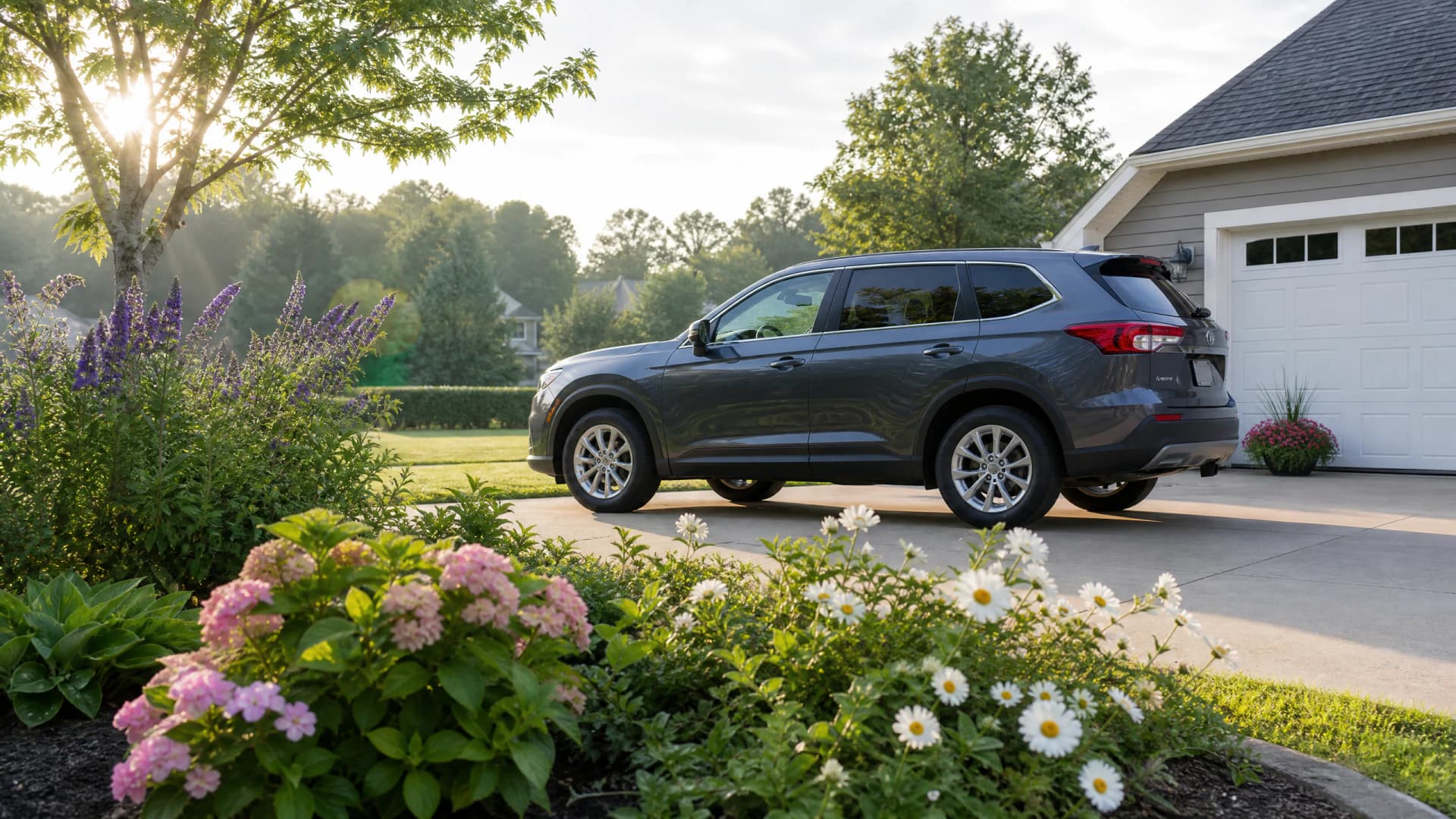
Most Alpharetta retirees who drop a second car never submit the mature-driver course certificate their carrier requires to apply the statutory 10% discount Georgia law guarantees.
Related Articles

Retiree Car Insurance After Dropping Second Car
6/15/2026

Retiree Rates After Dropping Second Car GA
6/15/2026

Atlanta Retiree Single-Car Insurance
6/15/2026

Georgia Retiree 1-Car Rate After Dropping 2nd
6/15/2026

Car Insurance After Dropping Second Car Athens
6/15/2026

GA Auto Insurance After Dropping Second Car
6/15/2026

Carriers in Alpharetta That Price Single-Vehicle Retiree Policies Competitively
Georgia hosts 25 carriers writing personal auto coverage. Not all of them price favorably for retirees who now drive a single vehicle with reduced annual mileage. State Farm, GEICO, and Progressive all operate in Alpharetta and offer online quoting, making comparison straightforward. State Farm and GEICO both offer mature-driver discounts when you submit the approved-course certificate. Progressive offers a low-mileage discount through its Snapshot telematics program, which can benefit retirees driving under 7,500 miles annually. USAA, available only to military-affiliated households, prices competitively for single-vehicle retiree profiles and offers both mature-driver and low-mileage pathways.
Nationwide and Allstate write in Georgia and offer mature-driver discounts, but both require the certificate submission step that many retirees miss. Farmers operates in Alpharetta and structures its mature-driver discount similarly. The key distinction among carriers is not the discount percentage, which must meet the statutory 10% floor, but how aggressively they recalibrate rates when you disclose reduced mileage and single-vehicle use. Carriers that specialize in telematics programs like Progressive, or that weight mileage heavily in underwriting like GEICO, often deliver better outcomes for retirees than carriers relying primarily on age-banded rate tables.
Request quotes from at least three carriers. Disclose your actual annual mileage, confirm that the mature-driver discount will apply when you submit the certificate, and ask whether the carrier offers a low-mileage program separate from telematics. Some carriers stack both discounts. Others apply only the larger of the two. Knowing which structure applies before you bind coverage prevents surprises at the first renewal.
If your current carrier increased your rate after you dropped the second car, that increase is not a market fact. It reflects that carrier's pricing structure for single-vehicle policies. Other carriers price the same profile differently. The retiree who assumes all carriers will charge similar rates for one car as the old carrier charged for two after removing the multi-car discount leaves money on the table every renewal cycle.
25
Carriers Writing Auto in Georgia
Georgia's competitive carrier market means retirees have options. Comparing at least three carriers that offer mature-driver and low-mileage pathways ensures you're not overpaying for single-vehicle coverage priced on outdated assumptions.
Georgia Department of Insurance carrier directory

What to Compare Beyond the Premium Number
Premium is the first number every retiree looks at, but it's not the only one that matters. Compare the liability limits each carrier quotes. Georgia's minimum is $25,000 per person for bodily injury, $50,000 per accident, and $25,000 for property damage. Those minimums leave retirement assets exposed in an at-fault accident where the other party's medical bills or vehicle damage exceeds the cap. Many retirees carry 100/300/100 or higher. If you own your home or hold significant retirement accounts, your liability limit should reflect what you could lose in a judgment, not just what the state requires.
Check whether the carrier offers medical payments coverage and how it coordinates with Medicare. Medical payments coverage pays your medical bills after an accident regardless of fault. Medicare is your primary health insurer, but it does not cover all accident-related costs immediately, and it may seek reimbursement from your auto policy if the accident was someone else's fault. A modest medical payments limit, often $5,000 to $10,000, fills the gap while Medicare processes claims. Some carriers include it in their standard package. Others charge separately. Knowing the cost and the coordination rules before you need to file a claim avoids confusion later.
Compare Quotes With Your Actual Mileage and Course Certificate Ready
When you request quotes, state your actual annual mileage. If you drove 15,000 miles a year during your working career and now drive 6,000 in retirement, that difference matters. Carriers that weight mileage heavily in their underwriting will price your policy lower than carriers relying on age-banded tables that assume all drivers in your age bracket drive similar distances. Understating mileage to get a lower quote can void your coverage if the carrier audits your odometer later. Overstating it costs you money every renewal. Use your odometer reading from last year's inspection or your own driving log to estimate accurately.
Have your defensive driving course certificate ready before you bind coverage. Some carriers apply the mature-driver discount immediately when you provide the certificate at the quoting stage. Others require you to submit it after binding and apply the discount at the next renewal. Clarify the timing with each carrier during the quote process. If the carrier applies it mid-term, you'll see the reduction within one billing cycle. If they apply it only at renewal, you'll pay the undiscounted rate for the remainder of your current term. That timing difference can be several months and several hundred dollars, depending on when you switched carriers.
The Mature-Driver Discount Georgia Requires and How to Claim It
To claim the discount, you must complete a course approved by the Georgia Department of Driver Services. Approved providers include AARP, AAA, and online platforms certified by the state. The course typically runs four to six hours and covers defensive driving techniques, Georgia traffic law updates, and collision-avoidance strategies. Once completed, the provider issues a certificate of completion. You submit that certificate to your carrier, either through your agent, the carrier's online portal, or by mail. The carrier applies the discount starting with your next renewal, and in some cases mid-term if you request it.
The certificate expires after a period defined by each carrier, often three years. When it expires, the discount disappears unless you complete the course again and resubmit a new certificate. Many retirees complete the course once, receive the discount for a few renewals, and then see their premium increase when the certificate lapses without understanding why. The renewal notice will not tell you the discount expired. You must track the certificate date yourself and re-enroll before expiration to maintain the reduction.
Get Your Free Quote
Get My Georgia Retiree Auto Insurance QuoteFrequently Asked Questions
Does Georgia require insurers to offer a mature-driver discount?
Yes. Georgia law requires insurers to offer at least a 10% discount to drivers 25 and older with a clean record who complete a state-approved defensive driving course. The discount is not automatic: you must complete the course and submit the certificate to your carrier. The certificate typically expires after three years, and you must renew it to keep the discount.
Will my premium drop automatically when I remove a second car from my policy?
No. Carriers subtract the second vehicle's premium and remove the multi-car discount simultaneously, leaving you with the single-vehicle rate for your remaining car. That rate is often higher per vehicle than what you paid under the bundled structure. To lower it further, claim the mature-driver discount and compare carriers that price single-vehicle retiree policies more competitively.
Which Alpharetta carriers offer the best rates for retirees driving one car?
State Farm, GEICO, Progressive, and USAA all operate in Alpharetta and offer mature-driver discounts when you submit the approved-course certificate. Progressive and GEICO also offer low-mileage programs that benefit retirees driving under 7,500 miles annually. Compare at least three carriers, disclose your actual mileage, and confirm discount eligibility before binding coverage.
How do I find a state-approved defensive driving course in Georgia?
The Georgia Department of Driver Services maintains a list of approved course providers. AARP, AAA, and several online platforms offer courses that meet the state's requirements. The course typically runs four to six hours and costs between $15 and $30. Once completed, the provider issues a certificate you submit to your carrier to claim the discount.
Should I keep collision coverage on a paid-off car I barely drive?
It depends on the vehicle's value and your financial cushion. Collision coverage pays to repair or replace your car after an accident, minus your deductible. If your car is worth $5,000 and your annual collision premium is $400 with a $500 deductible, you're paying nearly 10% of the vehicle's value each year to insure it. Many retirees with modest-value paid-off vehicles drop collision and self-insure the replacement cost. If the vehicle is newer or worth more, or if replacing it out-of-pocket would strain your budget, keep the coverage.
What happens if my mature-driver course certificate expires and I don't renew it?
The discount disappears at your next renewal, and your premium increases. Most carriers do not notify you when the certificate expires. You must track the expiration date yourself and complete a new course before it lapses. If the certificate expires and you don't notice the premium increase until after renewal, you can complete a new course and submit the certificate mid-term, but the discount typically applies only from the next renewal forward, not retroactively.
Do I need medical payments coverage if I already have Medicare?
Medical payments coverage fills gaps Medicare leaves. Medicare is your primary health insurer, but it does not cover all accident-related costs immediately, and it may seek reimbursement from your auto policy if another driver was at fault. A modest medical payments limit, often $5,000 to $10,000, pays your bills while Medicare processes claims and covers expenses Medicare excludes. Many retirees carry it for the certainty it provides after an accident.