
Retiree Car Insurance After Dropping a Second Car — Johns Creek, Georgia
Free to compare
The Premium That Didn't Drop When You Dropped the Second Car
You sold the second vehicle, turned in the plates, called your carrier to remove it from the policy, and waited for the refund check and the lower renewal premium. The refund arrived. The renewal premium dropped modestly or stayed flat. In some cases it climbed. You're now insuring one car instead of two, driving fewer miles than ever, and paying nearly the same amount you paid when the household had two vehicles on the road.
Georgia's multi-car discount typically ranges from 15 to 25 percent, and it vanishes the instant you drop to one vehicle. The mature-driver discount Georgia law requires insurers to offer—at least 10 percent for drivers who complete a state-approved defensive driving course—should offset part of that loss, but most carriers do not apply it automatically. If you never submitted the course certificate, or if the certificate you submitted three years ago expired and was never renewed, you're now paying the single-car base rate with no offsetting discount at all.
“The multi-car discount often exceeded the cost of insuring the second car, and losing it leaves you paying a higher rate unless another discount steps in.”

Keep Your Georgia Coverage Right for Retirement
Get My Georgia Retiree Auto Insurance Quote10%
Georgia Statutory Mature-Driver Discount Floor
O.C.G.A. §33-9-42 requires insurers to offer at least a 10 percent discount to drivers 25 and older with a clean record who complete an approved defensive driving course. The law is age-neutral but applies directly to retirees. Carriers may exceed the statutory floor, but the amount above 10 percent is set by individual carrier filing.
O.C.G.A. §33-9-42
Why the Multi-Car Discount Mattered More Than You Realized
The multi-car discount is one of the largest policy discounts most carriers offer. When you insured two vehicles, that discount applied to the entire policy premium, covering both cars, both liability limits, and all riders. Dropping one car removes the discount entirely, leaving the remaining vehicle priced at the higher single-car rate. The carrier recalculates your premium as though you're a new policyholder with one car, and unless another discount steps in, you pay the un-discounted base rate.
For retirees who drove both cars lightly, the second vehicle often cost less to insure than the discount it enabled. A 20 percent multi-car discount on a $1,200 annual premium saves $240. If the second car only added $180 to the policy, you came out ahead by keeping it insured. Once it's gone, that $240 discount disappears and the remaining car's premium climbs closer to $1,200 unless another discount replaces part of the loss.
The mature-driver discount Georgia law requires is that replacement, but only if you qualify and only if the carrier has the certificate on file. If you completed the course years ago and the certificate expired, or if you never took the course at all, the discount isn't there. The single-car rate is now your rate, and it's often higher than the per-car rate you paid when the household had two vehicles.
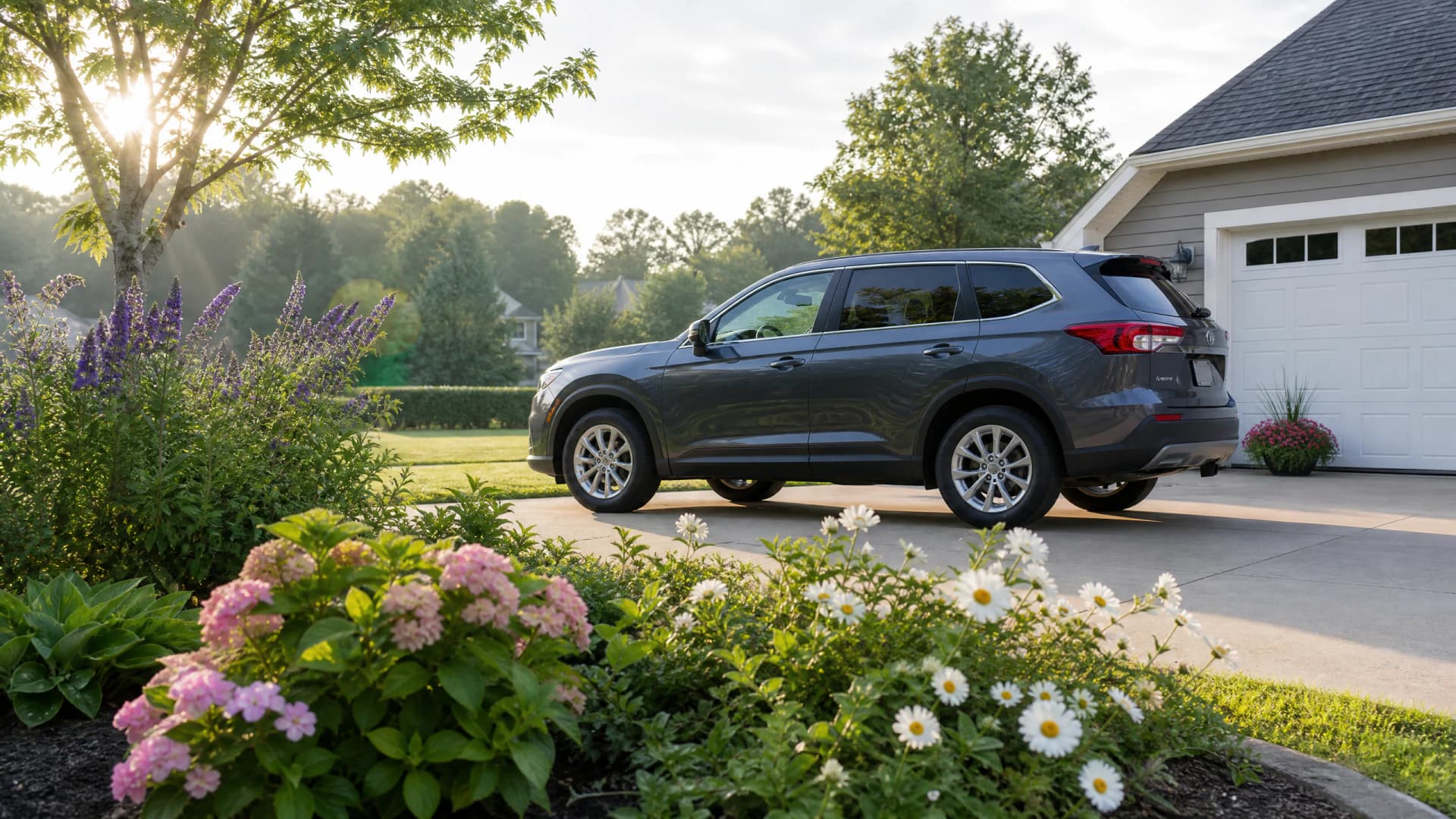
Your blocker: you need to know whether your current carrier applied the mature-driver discount at your last renewal, whether the certificate is still valid, and which Georgia carriers price single-car retiree households most favorably.
Related Articles

Retiree Rates After Dropping Second Car GA
6/15/2026

Alpharetta Retiree Auto After Dropping 2nd Car
6/15/2026

Georgia Retiree 1-Car Rate After Dropping 2nd
6/15/2026

Car Insurance After Dropping Second Car Athens
6/15/2026

GA Auto Insurance After Dropping Second Car
6/15/2026

Atlanta Retiree Single-Car Insurance
6/15/2026

Which Carriers Handle Single-Car Retiree Policies Well in Georgia
Not all carriers price single-car households the same way. Some assess a steep single-car surcharge that offsets most discount programs. Others structure their base rates to treat one-car households more neutrally, making the mature-driver and low-mileage discounts more effective. Among carriers writing in Georgia, State Farm, Nationwide, and Auto-Owners are preferred-tier carriers with established mature-driver programs and quote processes accessible to retirees. GEICO and Progressive offer online quoting and explicit low-mileage discount tiers, which can significantly reduce premiums for retirees driving under 7,500 miles annually.
State Farm in particular applies the Georgia-mandated mature-driver discount and offers additional age-based program tiers for drivers 50 and older, layered on top of the statutory floor. Auto-Owners operates through independent agents in Georgia and often underwrites single-car retiree households more favorably than captive-agent carriers. Progressive's Snapshot program and GEICO's mileage-based rating both allow retirees to prove low annual mileage and earn rate reductions based on actual use rather than estimated commute patterns.
Carriers to approach with caution after losing multi-car status: those that bundle heavily. If your previous rate depended on homeowner's insurance bundling and multi-car discounting simultaneously, and you've now lost one of those anchors, the remaining discount may not be sufficient to keep the premium competitive. Request quotes from at least three carriers who do not require bundling to access their best rates, and compare the single-car premium with mature-driver and low-mileage discounts fully applied.
When comparing quotes, confirm that the mature-driver discount appears on the quote worksheet by name and percentage. If it does not, ask the agent to add it and re-quote. Some carriers apply it automatically when date of birth qualifies; others require you to request it explicitly even when the certificate is on file. Never assume the discount transferred from your old policy to the new quote unless you see it listed.
25
Carriers Writing Auto Insurance in Georgia
At least 25 standard, preferred, and non-standard carriers write private passenger auto insurance in Georgia and are accessible to retiree drivers. Quote availability ranges from online self-service to broker-required, but all are licensed and rate-filed with the Georgia Department of Insurance. Comparing at least three ensures you see the range of single-car pricing structures.
Georgia Department of Insurance carrier database

When Dropping to Liability-Only Makes Sense on a Paid-Off Car
If the remaining vehicle is paid off and worth less than $5,000, collision and comprehensive coverage may cost more over two years than the vehicle's replacement value. Georgia does not require collision or comprehensive coverage on any vehicle; those coverages protect your asset, not the other driver. Liability coverage remains mandatory and must meet Georgia's minimum limits: $25,000 per person for bodily injury, $50,000 per accident, and $25,000 for property damage.
The decision hinges on whether you can afford to replace the vehicle out of pocket if it's totaled in an at-fault accident or stolen. For a 12-year-old sedan worth $4,000, paying $600 annually for collision and comprehensive coverage means you'll pay the car's value in premiums in under seven years. If the car is driven fewer than 5,000 miles per year, parked in a garage, and you have $4,000 in accessible savings, dropping those coverages and keeping liability-only is often the financially sound choice.
Compare Now, Before Your Next Renewal
Your current carrier repriced your policy the moment you dropped the second car. That repricing locked in for the remainder of your current term. Your next renewal is the moment to act. Request quotes from at least three Georgia carriers 45 days before renewal. Provide your current declarations page, your mature-driver course certificate and completion date, your annual mileage estimate, and the vehicle's current odometer reading. Ask each carrier to itemize the mature-driver discount, the low-mileage discount if offered, and any other retiree-specific program tiers on the quote worksheet.

Next Step: Verify Your Certificate and Compare Three Carriers
Call your current carrier today and confirm whether the mature-driver discount is active on your policy and when the certificate expires. If it expired or was never applied, enroll in a Georgia-approved defensive driving course this week; most are available online, take four to six hours, and issue certificates immediately upon completion. Submit the certificate to your carrier and request written confirmation that the discount will apply at your next renewal. Then request quotes from State Farm, GEICO, and one independent-agent carrier such as Auto-Owners. Compare the single-car premiums with all applicable discounts itemized. Choose the lowest total annual cost with the coverage structure that matches your asset exposure and driving profile.
How to Verify Whether the Mature-Driver Discount Is Active
Call your agent or the carrier's customer service line and ask three specific questions: is the mature-driver discount currently applied to your policy? What is the percentage amount of that discount? What is the expiration date of the course certificate on file? If the representative cannot answer all three, escalate to a supervisor or request written confirmation of your active discounts. Some carriers list applied discounts on the declarations page; most do not.
If the discount is not applied, ask why. The two most common reasons are that no certificate was ever submitted, or that the certificate on file expired and the discount lapsed at the most recent renewal. Georgia-approved defensive driving courses issue certificates valid for three years. When the certificate expires, the discount disappears unless you complete a new course and submit a new certificate. Carriers do not remind you when expiration approaches; the discount simply drops off at renewal and the premium climbs.
Get Your Free Quote
Get My Georgia Retiree Auto Insurance QuoteFrequently Asked Questions
Does Georgia require car insurance companies to give seniors a discount?
Yes. O.C.G.A. §33-9-42 requires insurers to offer at least a 10 percent discount to drivers 25 and older with a clean record who complete a state-approved defensive driving course. The law does not mandate an age-only discount; the discount is tied to course completion. Carriers may offer higher percentages, but 10 percent is the statutory floor.
Will my car insurance automatically go down when I drop a second car in Georgia?
No. Dropping a second car removes the multi-car discount, which often ranges from 15 to 25 percent and applied to your entire policy premium. Unless another discount replaces it, your per-car rate will likely increase even though you're now insuring fewer vehicles. The mature-driver discount can offset part of this loss, but only if you've completed the required course and submitted the certificate.
How do I qualify for the Georgia mature-driver discount?
Complete a state-approved defensive driving course and submit the certificate to your insurance carrier. Georgia-approved courses are available online and in-person, typically take four to six hours, and issue certificates valid for three years. Your driving record must be clean—no at-fault accidents or moving violations in the prior three years—to qualify for the statutory 10 percent minimum discount.
Do I need collision and comprehensive coverage on a paid-off car in Georgia?
No. Georgia requires only liability coverage. Collision and comprehensive protect your vehicle, not others, and are optional once a car is paid off. If your car is worth less than two years of collision and comprehensive premiums combined, and you can replace it out of pocket, dropping those coverages and keeping liability-only is often the better financial choice for retirees with low annual mileage.
Which Georgia car insurance companies offer the best rates for retirees with one car?
State Farm, GEICO, Progressive, Nationwide, and Auto-Owners consistently offer competitive single-car rates for Georgia retirees when mature-driver and low-mileage discounts are applied. Rates vary by driving record, ZIP code, and coverage selections. Request itemized quotes from at least three carriers and confirm that the mature-driver discount and any mileage-based discount appear by name on the quote worksheet before comparing totals.