
Full Coverage for Retirees with Paid-Off Cars — Albany, GA
Free to compare
When the Paid-Off Vehicle Question Arrives
You just opened your renewal notice. The vehicle has been paid off for three years, you drive it to church and the grocery store, and the collision and comprehensive line items total more than you remember. A neighbor mentioned dropping full coverage once the loan ended. Your adult daughter asked whether you're paying for protection you don't need. The question is now in front of you.
This is a judgment call Georgia retirees face differently than working drivers. You own the asset outright, your annual mileage dropped by two-thirds when the commute disappeared, and the vehicle's value is no longer climbing. But Georgia law also guarantees you a mature-driver discount that most Albany carriers never mention at renewal, and that discount changes the math before you decide what to drop.
“Georgia requires the mature-driver discount by statute, but Albany carriers never apply it unless you submit the course certificate before renewal.”

Keep Your Georgia Coverage Right for Retirement
Get My Georgia Retiree Auto Insurance Quote10%
Georgia Statutory Discount Floor
Georgia requires insurers to reduce premiums at least 10% for drivers who complete a state-approved defensive driving course, regardless of age. Most carriers apply more, but the statute sets the floor.
O.C.G.A. §33-9-42
What Full Coverage Actually Protects on a Paid-Off Vehicle
Full coverage means collision plus comprehensive on top of liability. Collision pays to repair your vehicle after an accident you cause or a hit-and-run. Comprehensive covers theft, hail, fallen tree limbs, vandalism, and animal strikes. Both have deductibles you choose, typically $500 or $1,000. Once your vehicle is paid off, no lender requires either coverage. The decision is yours.
The coverage fit depends on two things: what the vehicle would cost to replace out of pocket, and whether the annual premium is a reasonable fraction of that replacement cost. A conventional threshold is 10% of vehicle value annually. If your vehicle is worth $8,000 and collision plus comprehensive costs $950 a year, you're paying 12% of the asset's value to insure it. That ratio tips many retirees toward liability-only. But the threshold is a judgment call, not a rule.
Georgia's mature-driver discount changes the ratio before you make the call. If the course drops your total premium 10% and your collision and comprehensive portion is $950 annually, the discount saves roughly $95 a year. The post-discount premium is $855, or 10.7% of an $8,000 vehicle. You're now at the threshold, not past it. The discount doesn't resolve the question, but it moves the line.
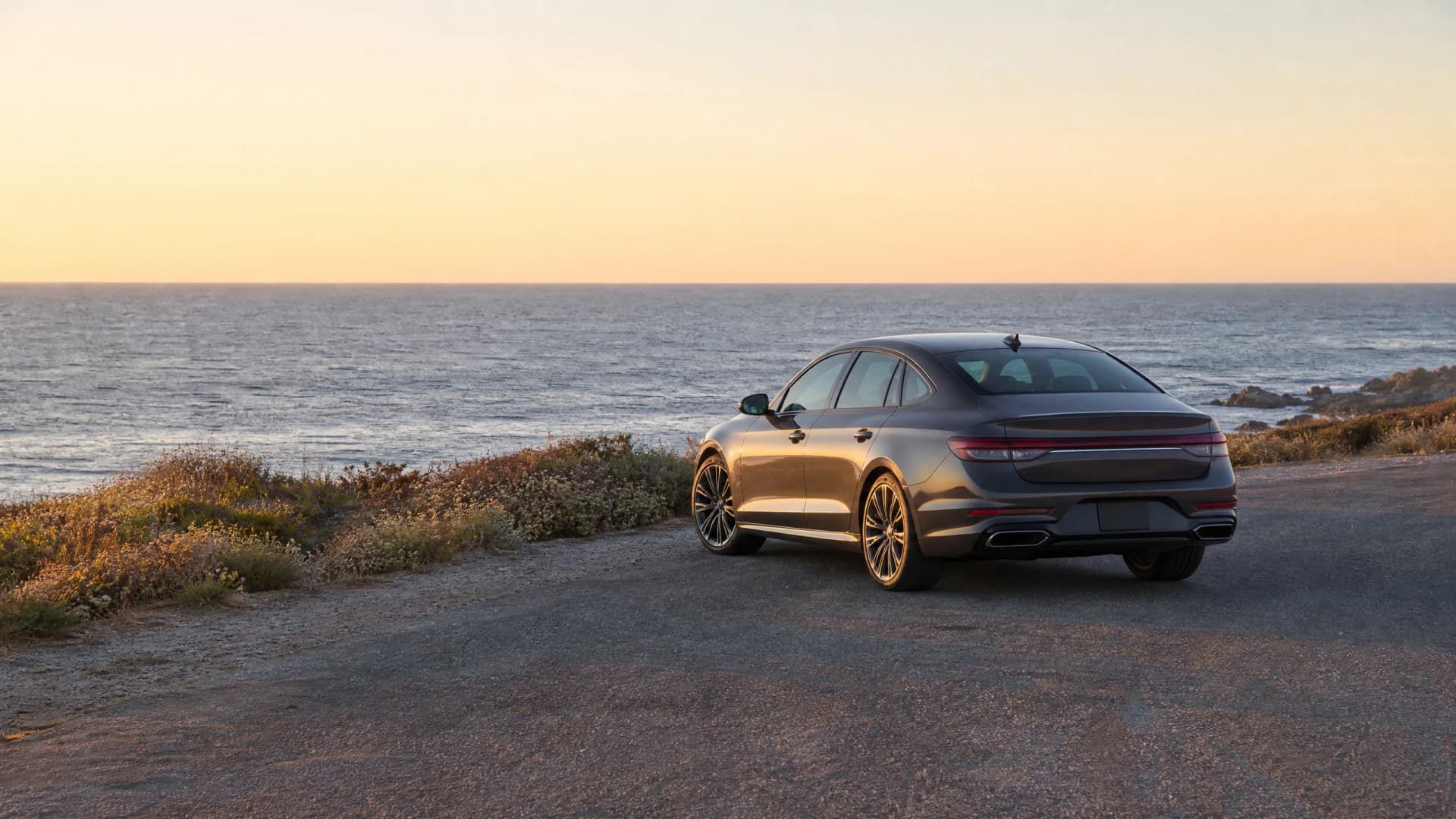
Albany retirees comparing full coverage versus liability-only never see carriers volunteer the course-based discount they qualify for first, so the comparison runs at pre-discount rates most never had to pay.
Related Articles

Full Coverage for Paid-Off Cars Augusta GA
6/15/2026

Full Coverage After Payoff — Atlanta GA
6/15/2026

Cheapest Car Insurance Albany GA Retirees
6/15/2026

Full Coverage After Paid-Off Car Columbus GA
6/15/2026

Full Coverage Paid-Off Cars Savannah GA
6/15/2026

Paid-Off Car Coverage for Alpharetta Retirees
6/15/2026

Albany Carriers That Write Retiree Profiles Well
Not every carrier treats low-mileage retirees the same. Some underwrite primarily for standard commuter profiles and price retirees as higher risk by age bracket alone, ignoring mileage and record. Others segment mature drivers separately and recognize that a 70-year-old driving 4,000 miles a year with no claims presents different risk than a 70-year-old commuting daily.
In Albany, State Farm, Nationwide, and Auto-Owners write preferred and standard auto and all three honor the Georgia mature-driver statute. Progressive and GEICO write standard tier with online quoting and both explicitly advertise the mature-driver discount. Dairyland and The General write non-standard and high-risk but also honor the course-based discount for drivers rebuilding after a violation. If you've carried the same carrier since your working years, you may not know whether it segments retirees favorably. The only way to know is to compare quotes from carriers that do.
Georgia DDS requires continuous liability coverage on registered vehicles. If you drop collision and comprehensive but keep the vehicle registered, you must maintain at least the state minimum liability: $25,000 per person, $50,000 per accident for bodily injury, and $25,000 for property damage. Dropping full coverage does not mean dropping insurance. Liability stays mandatory as long as the vehicle has a plate.
$25,000
Georgia Bodily Injury Minimum Per Person
Georgia requires $25,000 per person, $50,000 per accident for bodily injury liability, and $25,000 for property damage. Most retirees with retirement assets carry higher limits because the minimum does not cover a serious at-fault accident.
Georgia DDS minimum liability requirements

The Medical Payments and Medicare Coordination Layer
Many Albany retirees carry medical payments coverage on their auto policy without realizing Medicare is now their primary health coverage. Medical payments, called MedPay in Georgia, is an optional add-on that pays a fixed amount per person for medical bills after an accident, regardless of fault. Common limits are $1,000, $2,500, or $5,000. It pays quickly, without waiting for liability determination or health insurance processing.
If you're on Medicare, MedPay coordinates as secondary coverage. Medicare Part A and Part B pay hospital and outpatient bills first. MedPay covers the deductibles, coinsurance, and any amounts Medicare does not cover up to your policy limit. For a retiree on a fixed income, a $2,500 MedPay limit can cover the Medicare Part A inpatient deductible plus out-of-pocket costs from an accident without tapping savings. The question is whether the annual MedPay premium justifies that secondary layer.
If your health is stable, you have savings set aside for medical costs, and you're comfortable covering the Medicare deductible out of pocket, MedPay may not earn its cost. If a $2,000 surprise bill from an accident would strain your budget, the $30 to $60 annual MedPay premium is cheap protection. This is another positional call: your health finances determine the fit, not your vehicle's value.
What Happens If You Drop Coverage and File a Claim Later
Once you drop collision and comprehensive, your carrier will not pay to repair your vehicle after an at-fault accident, a hit-and-run, or a comprehensive event like hail damage. The decision is permanent for that policy term. You cannot reinstate collision mid-term after an accident happens. If you change your mind, you can add the coverage back at your next renewal, but most carriers will not backdate it.
If another driver causes the accident and carries liability insurance, their carrier pays for your vehicle repair under their property-damage liability coverage. Georgia is a tort state, meaning the at-fault driver's insurer pays your loss. You file a third-party claim against their policy. The risk you carry by dropping collision is that the at-fault driver is uninsured or underinsured, or that you cause the accident yourself. In those scenarios, your vehicle loss is uninsured unless you carried collision or uninsured-motorist property damage.
Uninsured motorist coverage in Georgia is optional but covers you when the at-fault driver has no insurance. It pays for your injuries under the bodily-injury portion and, if you add the property-damage endorsement, for your vehicle repair. Many retirees drop collision but keep uninsured-motorist property damage as partial protection for the paid-off vehicle at a lower cost than full collision coverage. Ask your carrier whether that endorsement is available and what it costs separately.

Compare Carriers Before You Decide What to Drop
The paid-off vehicle question is a comparison decision, not a yes-or-no verdict. Get quotes from at least three Albany carriers that segment retirees well: one preferred tier, one standard with online quoting, and one that writes low-mileage profiles explicitly. Request quotes with full coverage at your current deductible, liability-only, and liability plus uninsured-motorist property damage. Submit your defensive-driving course certificate if you've completed one, or ask each carrier what the premium would be after completing the course.
Compare the annual cost of collision and comprehensive against your vehicle's current value. If the ratio is under 10%, full coverage may still fit. If it's 12% or higher, dropping to liability-only or adding uninsured-motorist property damage as a middle path makes sense for most retirees. The mature-driver discount brings the ratio down by at least 10%, and many Albany carriers apply 15% or more once you complete the course. That discount is statutory; you're entitled to it, and it applies before the coverage decision, not after.
How to Claim the Georgia Mature-Driver Discount
You complete a state-approved defensive driving course, either in person or online. The course provider must appear on Georgia's approved list; ask before enrolling. The course takes four to eight hours depending on format. You receive a certificate of completion showing your name, the completion date, and the course provider's approval number. That certificate is what you submit to your carrier.
You send the certificate to your agent or carrier customer service before your next renewal. Most carriers apply the discount at the renewal following certificate submission, not mid-term. If your renewal is three weeks away, submit immediately. If it just passed, you'll wait nearly a full year for the discount to appear. The certificate is valid for three years in Georgia, meaning the discount renews automatically for two additional cycles as long as your record stays clean. After three years, you complete the course again to maintain the discount.
Get Your Free Quote
Get My Georgia Retiree Auto Insurance QuoteFrequently Asked Questions
Does Georgia require full coverage on a paid-off car?
No. Once the lender releases the lien, Georgia does not require collision or comprehensive coverage. You must maintain at least the state minimum liability coverage as long as the vehicle is registered, but full coverage is your choice.
How much does the Georgia mature-driver course cost?
Course costs vary by provider. The state approves providers but does not set prices. Contact a state-approved defensive driving school directly to confirm current pricing and format options before enrolling.
Can I add collision coverage back after dropping it?
Yes, but only at your next renewal. Most carriers will not reinstate collision mid-term, and you cannot add it after an accident has already occurred. If you drop it and later want it back, you wait until your policy renews.
Do Albany retirees qualify for low-mileage discounts?
Many carriers offer low-mileage or usage-based programs. Progressive Snapshot, State Farm Drive Safe & Save, and Nationwide SmartRide all reduce premiums based on actual miles driven. Ask each carrier whether they offer a mileage-based program and how enrollment works.
What is uninsured motorist property damage coverage?
It's an optional endorsement in Georgia that pays to repair your vehicle when an at-fault driver has no insurance. It costs less than collision coverage but only applies when the other driver is uninsured, not when you cause the accident yourself.
Does Medicare cover car accident injuries?
Yes. Medicare Part A and Part B are your primary coverage for accident-related medical bills. MedPay on your auto policy coordinates as secondary, covering deductibles and coinsurance Medicare does not pay.