
Full Coverage on a Paid-Off Car — Alpharetta, GA
Free to compare
When the Premium Outlasts the Loan
You made the final car payment three years ago. The title arrived, you filed it, and nothing about your policy changed. Your carrier kept billing the same collision and comprehensive premium it charged when the car was financed, even though you now drive it 4,000 miles a year instead of commuting daily to the Perimeter. The loan is gone, but the coverage cost treating that 2015 Camry like a leased vehicle stayed put.
This article walks the coverage-fit decision for retirees in Alpharetta driving a paid-off vehicle of moderate age and value. You'll see how Georgia's liability requirements anchor the choice, what collision and comprehensive actually protect once the lienholder is out of the picture, and how to compare the annual premium against the vehicle's current value and your actual exposure. No invented savings figures: the path is comparing what you pay against what you'd lose, then deciding whether the gap justifies dropping coverage.
“If the annual collision premium exceeds 10 percent of what the car is worth today, the coverage costs more than the risk justifies for most retirees.”

Keep Your Georgia Coverage Right for Retirement
Get My Georgia Retiree Auto Insurance Quote$25,000
Georgia Bodily Injury Minimum Per Person
Georgia requires $25,000 bodily injury per person, $50,000 per accident, and $25,000 property damage. Liability is mandatory whether your car is paid off or financed. Collision and comprehensive are optional once the lienholder releases the title.
O.C.G.A. Title 33, Chapter 34
What Full Coverage Means When You Own the Car Outright
Full coverage is a billing-statement term, not a policy type. It describes a package containing liability (required by Georgia law), collision (pays to repair your car after an at-fault accident), and comprehensive (pays for theft, hail, vandalism, animal strikes). When a lienholder required it, the choice was made for you. Once the title is in your name, you control whether collision and comprehensive still earn their cost.
Georgia law requires liability only. Collision and comprehensive protect your asset, not the other driver's. For a retiree driving a paid-off 2015 Camry worth $8,000 in current private-party value, the question is whether the annual collision and comprehensive premium exceeds the maximum single-event loss you'd face if you totaled the car yourself. If the premium is $900 a year and the car is worth $8,000, you're paying 11 percent of the vehicle's value annually to insure against a loss you could absorb from savings.
This is not an age question or a competence question. It is an asset question. A financed $40,000 vehicle justifies collision and comprehensive because the loan survives the total loss. A paid-off $8,000 vehicle driven 4,000 miles a year by an experienced driver with a clean record changes the math. The coverage that made sense in 2015 may not make sense in 2025.
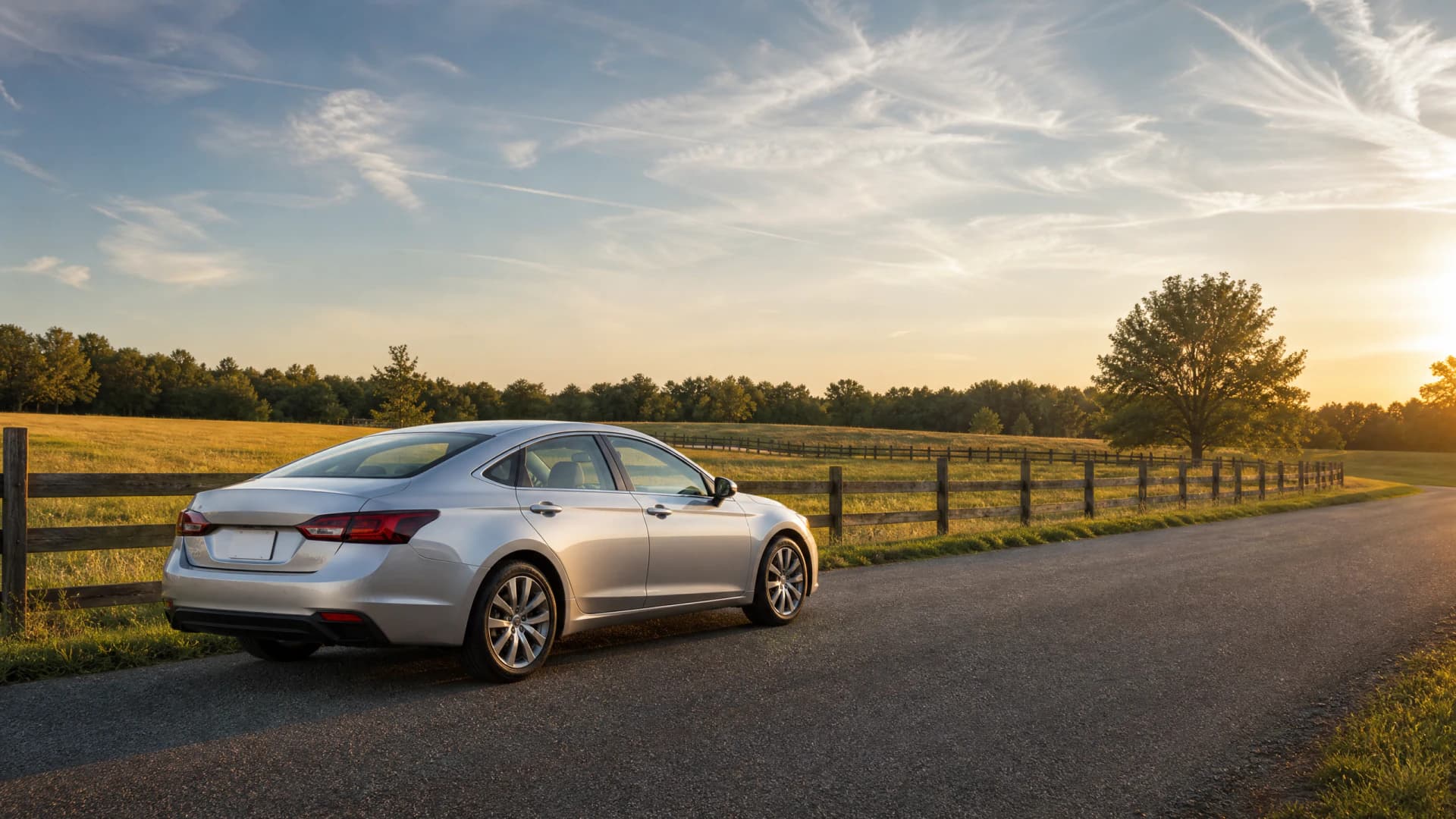
The blocker: you don't know what your car is worth right now, what your collision and comprehensive premium totals annually, or what dropping them would save. Without those three numbers, the decision stays unresolved.
Related Articles

Full Coverage for Paid-Off Cars — Albany GA
6/15/2026

Full Coverage After Payoff — Atlanta GA
6/15/2026

Full Coverage After Paid-Off Car Columbus GA
6/15/2026

Full Coverage for Retirees — Johns Creek GA
6/15/2026

Full Coverage on a Paid-Off Car in Georgia
6/15/2026

Full Coverage for Paid-Off Cars Augusta GA
6/15/2026

What Happens When You Drop Collision and Comprehensive
Your liability coverage continues unchanged. Georgia requires it, and it protects you from the financial exposure of injuring someone else or damaging their property in an at-fault accident. Dropping collision and comprehensive leaves that protection intact. What changes: if you total your own car in a single-vehicle accident, back into a post in a parking deck, or suffer hail damage during a North Georgia storm, you pay the repair or replacement cost yourself. The carrier pays nothing for damage to your vehicle.
Comprehensive covers non-collision events: theft, vandalism, falling objects, animal strikes, weather damage. In Alpharetta, deer strikes along the Chattahoochee corridor and hail during spring storms are the most common comprehensive claims for retirees. If your car is parked in a garage most of the week and you drive predictable daytime routes to the grocery, the gym, and church, your comprehensive-event exposure is lower than a commuter parking outside at a Midtown office tower. Collision covers at-fault accidents. If you have a clean record and drive 4,000 miles a year on familiar roads, your collision-event exposure is materially lower than it was when you drove 15,000 miles annually in metro Atlanta traffic.
The failure mode competing pages omit: if you drop collision and comprehensive, then total the car six months later, and then decide you want to reinstate coverage to protect your replacement vehicle, carriers will not allow it mid-term. You must wait until the next renewal, buy the replacement vehicle, and add coverage at that point. Most retirees buying a replacement after a total loss buy a vehicle of similar or lower value. If the totaled car was worth $8,000 and you replace it with a $10,000 vehicle, you're now insuring a higher-value asset without collision or comprehensive for the remainder of the policy term unless you start a new policy.
10%
Georgia Mature-Driver Course Discount Floor
Georgia requires insurers to offer at least a 10 percent discount to drivers 25 and older who complete a state-approved defensive driving course. The discount applies to the liability, collision, and comprehensive portions of the premium. Completing the course before you adjust coverage lets you compare the lower post-discount rate against the vehicle's value.
O.C.G.A. § 33-9-42

Adjusting Coverage Without Losing the Mature-Driver Discount
Georgia law requires carriers to offer at least a 10 percent discount to drivers who complete a state-approved defensive driving course. The discount applies to the entire premium, including collision and comprehensive. If you're considering dropping collision and comprehensive, complete the course first, apply the discount, and then compare the reduced annual premium against the vehicle's value. The sequence matters: the discount lowers the cost you're evaluating, and completing the course afterward provides no retroactive benefit to the coverage you already dropped.
The course must appear on the Georgia Department of Driver Services approved-provider list. Your carrier will ask for the completion certificate. Most retirees complete the course online in four to six hours. The certificate is valid for three years in Georgia, but many carriers require re-enrollment at each renewal to maintain the discount. If your certificate expires mid-term and you don't re-enroll before renewal, the discount disappears and the premium reverts to the pre-discount rate without notification. Verify your carrier's re-enrollment policy before deciding whether the course justifies the time investment.
Liability Limits and Retirement-Era Assets
Georgia's minimum liability requirement is $25,000 bodily injury per person, $50,000 per accident, and $25,000 property damage. That floor was set decades ago and does not reflect the medical costs or asset exposure a retiree faces in 2025. If you own a home in Alpharetta, hold retirement accounts, or have other assets an at-fault-accident plaintiff could pursue, carrying only the state minimum leaves those assets exposed. Dropping collision and comprehensive reduces your premium, but it does not reduce your liability exposure. The two decisions are independent.
Many retirees carry $100,000 per person and $300,000 per accident bodily injury limits, sometimes paired with a $1 million umbrella policy. The incremental cost of moving from minimum liability to higher limits is often less than the collision premium you're considering dropping. Compare the liability-increase cost against the collision-drop savings before finalizing the change. The math frequently favors raising liability while dropping collision, not dropping both.

Making the Change and What to Expect at Renewal
Contact your carrier or agent and request removal of collision and comprehensive coverage from your policy. The change takes effect immediately, and your premium adjusts at the next billing cycle. Georgia law does not require a waiting period or lienholder release once you own the title outright. Confirm the new premium in writing and verify that liability limits remain unchanged. If you completed the mature-driver course, confirm the discount applied before the collision and comprehensive removal, not after.
At renewal, your carrier will not automatically reinstate collision and comprehensive. The coverage stays off the policy unless you request it. If you later buy a replacement vehicle and want to add coverage, notify your carrier within the policy's vehicle-addition window, typically 14 to 30 days depending on the carrier. Missing that window requires starting a new policy or waiting until the next renewal. Most Alpharetta retirees who drop collision and comprehensive on a paid-off vehicle do not reinstate it unless they buy a newer, higher-value replacement that justifies the cost.
Comparing Premium to Vehicle Value
Pull your current declarations page from your carrier or agent. Find the collision premium and the comprehensive premium listed separately. Add them together, multiply by 12 if billed monthly or by 2 if billed semi-annually, and you have the annual cost. Now look up your vehicle's private-party value using Kelley Blue Book or NADA Guides, entering your car's year, make, model, mileage, and condition honestly. That figure is what you'd lose in a total-loss event if no collision coverage applied.
The conventional threshold: if the annual collision and comprehensive premium exceeds 10 percent of the vehicle's current value, the coverage costs more than the risk justifies for most retirees. A $7,500 car with $900 annual collision and comprehensive premium crosses that line. A $15,000 car with $600 annual premium stays comfortably under it. The threshold is a rule of thumb, not a mandate. Your risk tolerance, savings cushion, and how much you'd struggle to replace the car out of pocket all bend the judgment call.
Get Your Free Quote
Get My Georgia Retiree Auto Insurance QuoteFrequently Asked Questions
Can I drop collision and keep comprehensive on a paid-off car in Georgia?
Yes. Georgia allows you to carry any combination of coverage once the lienholder releases the title. Many retirees keep comprehensive for theft and weather protection while dropping collision, especially if the vehicle is garaged and driven lightly. Verify your carrier permits split coverage; most do, but a few require you to drop both or keep both.
Does the mature-driver discount apply if I only carry liability?
Yes. The Georgia-mandated mature-driver discount applies to the liability portion of your premium even if you've dropped collision and comprehensive. Complete the state-approved course, submit the certificate to your carrier, and the discount reduces your liability premium by at least 10 percent for three years.
What happens to my premium if I total my car and don't have collision coverage?
Your carrier pays nothing for damage to your vehicle. You pay the replacement cost out of pocket. Your liability coverage continues protecting you from at-fault claims, but the totaled vehicle is your financial responsibility. If you buy a replacement, you can add collision and comprehensive at that time if the new vehicle's value justifies it.
Can I reinstate collision coverage mid-policy if I change my mind?
Most Georgia carriers allow you to add collision and comprehensive mid-term, but you must request it in writing and the coverage typically requires underwriting approval and a vehicle inspection. If you've had a recent at-fault accident or claim, the carrier may decline or surcharge the addition. Waiting until renewal simplifies the process.
How does dropping collision affect my rate if I have a clean driving record?
Your collision premium disappears entirely, reducing your total bill by that amount. Your liability rate does not change because of the collision drop. If you have a clean record and qualify for the mature-driver discount, the combined savings can cut your annual premium significantly, sometimes by 30 to 40 percent depending on your prior coverage structure.
Do I need higher liability limits if I drop collision and comprehensive?
Dropping collision and comprehensive does not change your liability exposure, but it often signals a good time to review whether your liability limits protect your assets. If you own a home or hold retirement accounts, carrying $100,000 per person and $300,000 per accident bodily injury limits, or adding an umbrella policy, protects those assets in an at-fault accident. Compare the cost of raising liability limits against the collision savings before finalizing your decision.