
Low-Mileage Car Insurance for Retirees — Savannah
Free to compare
The Mileage Gap No One Mentions
You just looked at your odometer and realized you drove 4,800 miles last year. No more daily commute to the office, fewer errands now that delivery handles most shopping, and the second car is gone. Your premium notice arrived last week showing the same rate you paid three years ago when you were still working full-time and putting 12,000 miles on the vehicle annually.
Georgia law requires carriers to offer a mature-driver discount after you complete an approved defensive driving course, but nothing requires them to automatically audit your mileage and adjust your rate when your driving pattern changes. Most retirees in Savannah keep paying premiums calculated for twice the miles they actually drive because the carrier never asked and the policyholder never knew to volunteer the information.
“Carriers track reduced driving only when you opt in: retirees paying commuter-era rates stay there unless they demand the audit.”

Keep Your Georgia Coverage Right for Retirement
Get My Georgia Retiree Auto Insurance Quote10%
Georgia Statutory Discount Floor
O.C.G.A. §33-9-42 requires Georgia insurers to offer at least a 10% discount to drivers 25 and older with a clean record who complete a state-approved defensive driving course. The statute is age-neutral but applies directly to retirees.
O.C.G.A. §33-9-42
How Low-Mileage Programs Actually Work
Low-mileage discounts and usage-based programs require you to opt in. The carrier does not pull your odometer reading at renewal unless you tell them your annual mileage dropped. When you call or log into your account and report driving 5,000 miles instead of 12,000, the underwriting system recalculates risk exposure and most carriers adjust the premium downward within one billing cycle.
Usage-based programs go further: a small plug-in device or smartphone app tracks actual miles driven, time of day, braking patterns, and speed. Geico, Progressive, State Farm, and Nationwide all write in Georgia and offer telematics programs under names like DriveEasy, Snapshot, Drive Safe & Save, and SmartRide. The device or app monitors driving for an initial enrollment period, then the carrier applies a discount based on the data collected.
The distinction matters for retirees. A low-mileage discount relies on self-reported annual mileage you state once a year. A telematics program monitors continuously and can capture not just reduced miles but also safer driving patterns common among experienced drivers who no longer commute during rush hour.
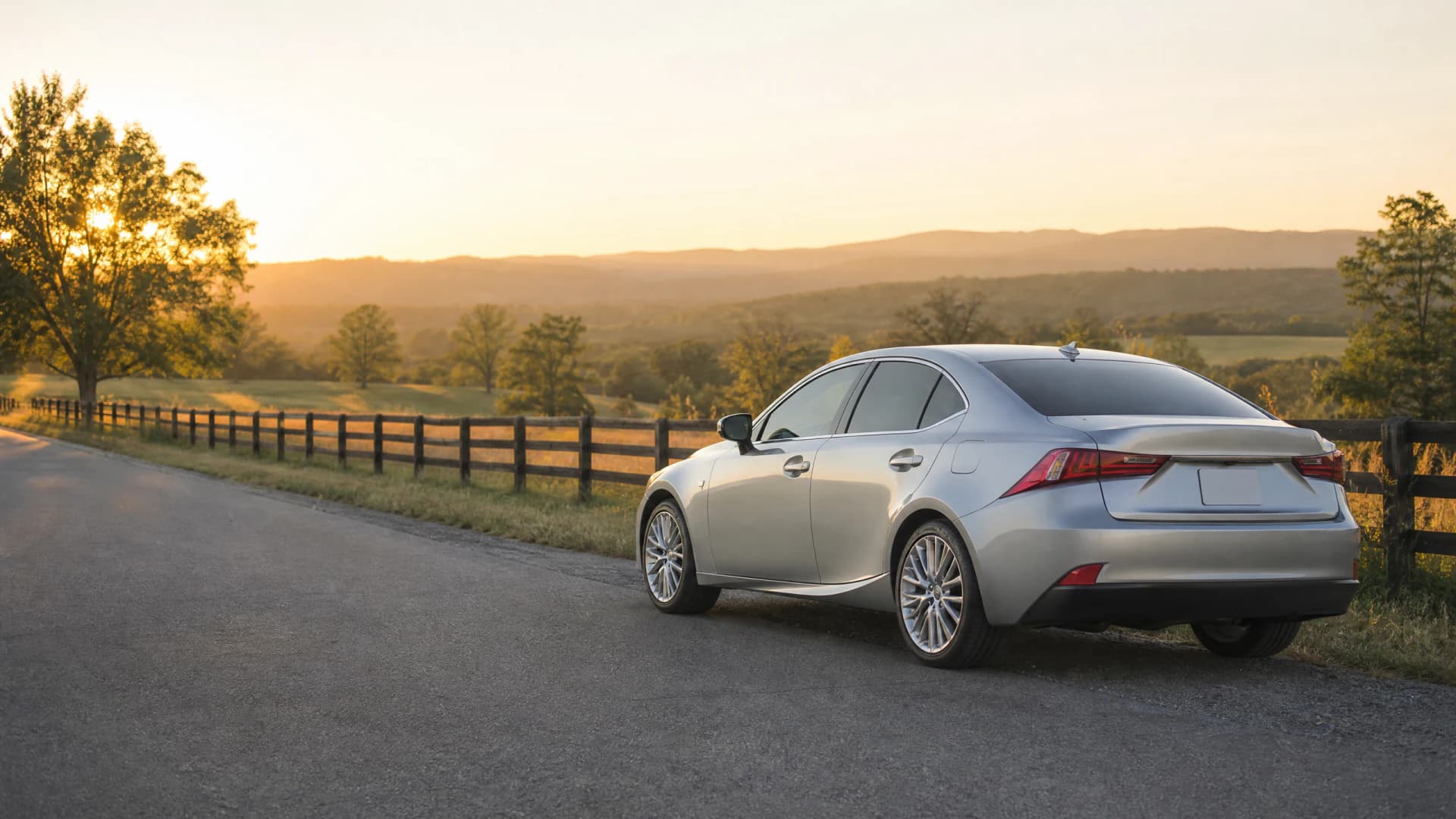
Your carrier will not audit your mileage unless you ask. Retirees who never report reduced driving keep subsidizing higher-risk profiles indefinitely.







State-Specific Quirks and Carrier Behavior
Georgia does not regulate low-mileage discount amounts. Each carrier files its own mileage thresholds and percentage reductions with the Georgia Department of Insurance, so the discount for driving 5,000 miles at State Farm may differ substantially from the discount Progressive offers for the same mileage. You cannot assume parity across carriers.
Some carriers bundle the mature-driver course discount with a low-mileage discount; others treat them as separate line items. If you completed a state-approved defensive driving course and reduced your annual mileage, confirm both discounts appear on your declaration page. Agents sometimes apply one and miss the other during the renewal process.
Telematics programs in Georgia can also track location data. If you spend part of the year in another state, the program may register out-of-state miles. Confirm with the carrier whether snowbird driving affects eligibility or discount calculation, especially if you split time between Georgia and another residence.
25
Carriers Writing in Georgia
At least 25 carriers write auto insurance in Georgia and offer some form of low-mileage or telematics discount. Geico, Progressive, State Farm, Nationwide, and Allstate all operate telematics programs available to Savannah retirees.
Georgia Department of Insurance carrier licensure records

When the Program Doesn't Deliver
Telematics programs penalize hard braking and high-speed driving. If you live in a part of Savannah where defensive driving requires frequent hard stops due to traffic patterns or if you regularly drive on I-16 at posted highway speeds, the program may register those behaviors as higher risk even though your total mileage is low. Review the monitoring results before the discount locks in, and opt out if the data does not reflect your actual risk profile.
Low-mileage discounts disappear if your reported mileage increases. If you take a road trip or temporarily resume regular driving, notify the carrier before the next odometer audit. Some insurers re-rate the policy mid-term when annual mileage exceeds the threshold; others wait until renewal but remove the discount retroactively and bill the difference.
Compare Programs Before You Commit
Not every carrier's telematics program treats retirees the same way. Some weight total mileage heavily; others focus more on time-of-day and braking patterns. Request a program overview from your current carrier, then compare it against at least two competitors writing in Georgia. Ask specifically whether the program penalizes daytime driving, whether highway speed counts against you, and how the monitoring period works if you drive very few miles during the enrollment window.
If your current carrier does not offer a meaningful low-mileage option, switching may be worth the effort. Carriers like Dairyland and Geico have built telematics programs with retirees in mind, and the difference in annual premium between a carrier that ignores your reduced mileage and one that monitors it can exceed the statutory mature-driver discount floor.

What To Do Right Now
Pull your most recent odometer reading and calculate how many miles you drove in the last 12 months. If the number is below 7,500, contact your current carrier today and ask whether you qualify for a low-mileage discount or can enroll in their telematics program. If they offer neither, request quotes from Geico, Progressive, and State Farm, all of which write in Georgia and offer usage-based options. Compare the discount structure, monitoring requirements, and premium impact before your next renewal date. Take action now so the discount applies at renewal rather than waiting another six months.
Enrolling in a Low-Mileage or Telematics Program
For a low-mileage discount, contact your carrier directly or log into your online account. Report your current odometer reading and your estimated annual mileage. Most carriers ask for a photo of the odometer or verify the reading at your next policy inspection. The discount applies at the next renewal once the carrier confirms the mileage falls below their threshold, which varies by insurer but typically starts around 7,500 miles annually.
For a telematics program, enroll through the carrier's app or website. You will either receive a plug-in device by mail or download a smartphone app that uses GPS and motion sensors. The monitoring period usually runs 90 days to six months. At the end of that window, the carrier calculates your discount based on total miles, time of day, hard braking frequency, and speed. The discount becomes permanent as long as your driving pattern remains consistent, and most programs allow you to re-enroll if your habits change.
Get Your Free Quote
Get My Georgia Retiree Auto Insurance QuoteFrequently Asked Questions
How do I know if I qualify for a low-mileage discount in Georgia?
Most Georgia carriers offer low-mileage discounts when you drive fewer than 7,500 miles annually, though thresholds vary by insurer. Contact your carrier directly, report your current odometer reading and estimated annual mileage, and ask whether you qualify. The discount applies at your next renewal once the carrier verifies your mileage falls below their threshold.
Do telematics programs penalize highway driving or daytime trips?
Some telematics programs in Georgia weight time-of-day and speed as risk factors, which can penalize retirees who drive during the day or use highways at posted speeds. Review your carrier's program criteria before enrolling, and ask specifically whether highway speed or daytime driving reduces your discount. If the monitoring results do not reflect your actual risk, opt out before the discount locks in.
Can I combine a mature-driver discount with a low-mileage discount?
Yes. Georgia law requires carriers to offer at least a 10% discount for completing a state-approved defensive driving course, and most carriers allow you to stack that with a low-mileage or telematics discount. Confirm both discounts appear on your declaration page at renewal, as agents sometimes apply one and miss the other.
What happens if my mileage increases after I get a low-mileage discount?
If your annual mileage exceeds the carrier's threshold, the low-mileage discount disappears. Some insurers re-rate your policy mid-term and bill the difference; others remove the discount at the next renewal. Notify your carrier before the next odometer audit if you expect your mileage to increase so you avoid surprise billing.
Which carriers in Georgia offer the best telematics programs for retirees?
Geico, Progressive, State Farm, and Nationwide all write in Georgia and offer telematics programs that monitor mileage and driving behavior. Each carrier's program weights total mileage, braking, and speed differently, so request program details from at least two carriers and compare how they calculate discounts for low-mileage retirees before enrolling.