
Car Insurance After Dropping a Second Car — Albany, GA
Free to compare
Why Your Premium Didn't Drop When You Removed the Second Vehicle
You called your carrier last month to drop your second car from the policy. The vehicle was paid off, barely driven, and you expected removing it would cut your premium nearly in half. When the revised bill arrived, the savings were a fraction of what you anticipated. Your agent mentioned something about bundling discounts, but the math still doesn't add up.
What happened is structural, not a billing error. Georgia carriers apply the multi-car discount to both vehicles on a two-car policy. When you remove one vehicle, you lose the bundling credit on the car you kept. The discount doesn't travel with the vehicle that remains; it evaporates when the policy drops below two cars. Your carrier is now pricing your remaining vehicle at the single-car rate, which is higher than the discounted rate you paid when both vehicles were listed.
“The multi-car discount doesn't travel with the vehicle that remains; it evaporates when the policy drops below two cars.”

Keep Your Georgia Coverage Right for Retirement
Get My Georgia Retiree Auto Insurance Quote10%
Georgia Mature-Driver Discount Floor
Georgia law requires insurers to offer at least a 10% discount to drivers who complete a state-approved defensive driving course. O.C.G.A. §33-9-42 sets this statutory minimum; carriers may offer more, but none can offer less.
O.C.G.A. §33-9-42
How Multi-Car Discounts Apply in Georgia
Georgia carriers structure multi-car discounts as a percentage reduction applied to each vehicle's base premium. A typical multi-car discount ranges from 15% to 25%, though the exact percentage is set by carrier filing. When two vehicles are on the policy, both receive the discount. When you remove one, the remaining vehicle loses its discounted status and reverts to the single-car premium.
The carrier does not prorate the discount by vehicle value or coverage tier. A lightly driven sedan and a rarely used truck both carried the same multi-car discount percentage. Removing the truck means the sedan now pays the undiscounted rate, even though its coverage, your driving record, and the vehicle itself are unchanged.
This structure is legal and disclosed in the policy documents most drivers never read closely. The surprise comes at policy change, when the bill arrives and the savings are far smaller than the eliminated vehicle's standalone cost would suggest.
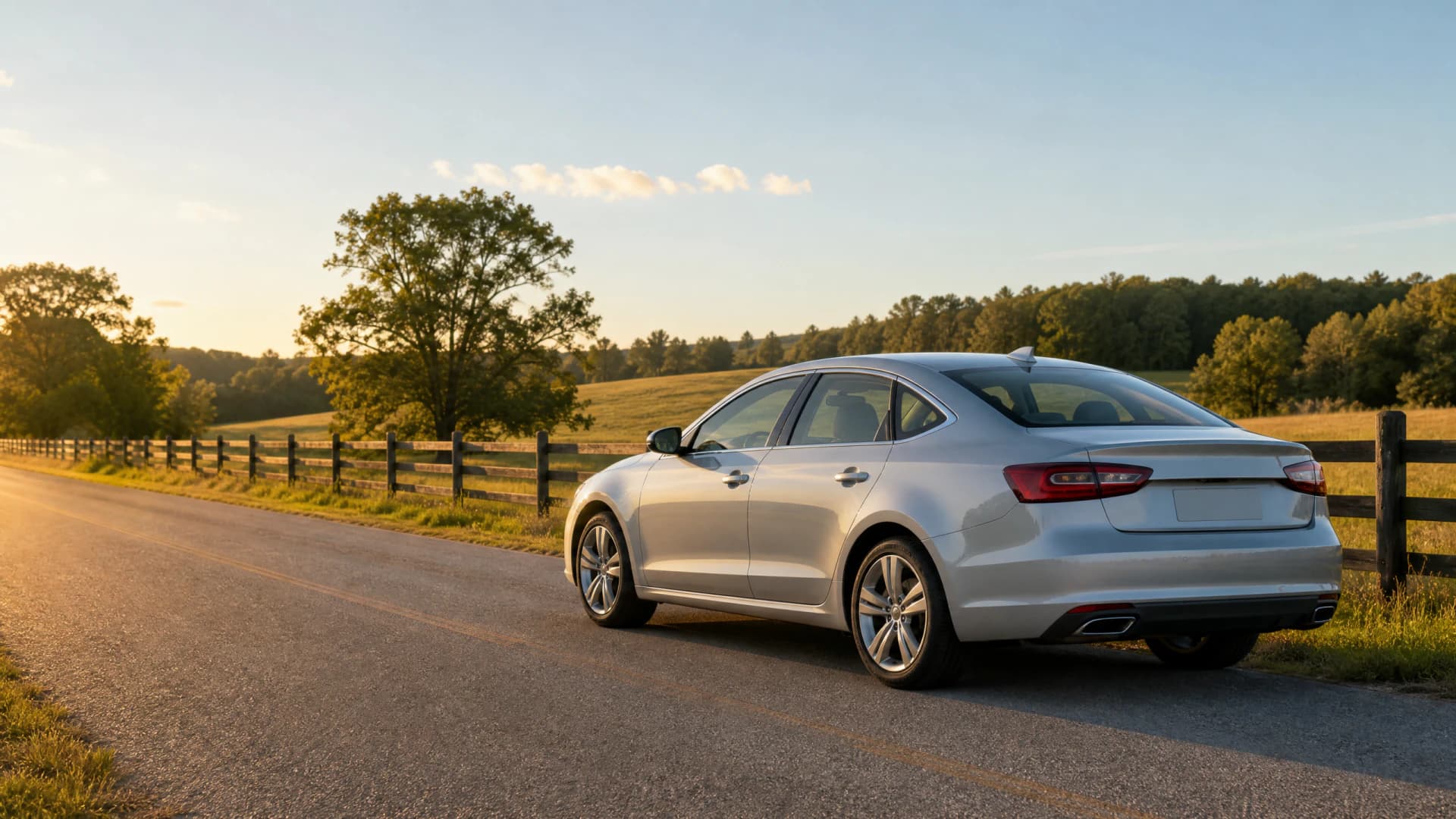
The blocker: you cannot recover the multi-car discount on a single-vehicle policy, and your carrier will not volunteer which other discounts you now qualify for as a retiree.
Related Articles

Car Insurance After Dropping Second Car Athens
6/15/2026

Car Insurance After Dropping 2nd Car Augusta GA
6/15/2026

Retiree Car Insurance After Dropping Second Car
6/15/2026

GA Auto Insurance After Dropping Second Car
6/15/2026

Alpharetta Retiree Auto After Dropping 2nd Car
6/15/2026

Dropping Second Car Insurance Sandy Springs
6/15/2026

Comparing Carriers After a Policy Change
Dropping a vehicle is the ideal moment to compare carriers. Your current insurer no longer offers the multi-car advantage, and you are shopping as a single-vehicle household. Georgia has 25 carriers writing standard and preferred auto coverage, and their treatment of single-car senior drivers varies widely.
State Farm, GEICO, Progressive, and USAA all write in Georgia and offer mature-driver discounts when you complete the approved course. Allstate, Nationwide, and Travelers also write here; ask each whether their mature-driver discount requires annual recertification or applies for three years after a single course completion. Some carriers require you to re-submit proof at every renewal; others apply the discount for the full certificate validity period.
Georgia's liability minimums are $25,000 per person, $50,000 per accident for bodily injury, and $25,000 for property damage. If you carry assets beyond those thresholds, higher liability limits protect your retirement savings in an at-fault accident. If your remaining vehicle is paid off and worth less than $5,000, ask each carrier to quote liability-only coverage and compare that premium against your current full-coverage bill.

Coverage Fit for a Single Paid-Off Vehicle
Your second vehicle may have been old enough that collision and comprehensive coverage no longer made financial sense. The same judgment applies to the car you kept. If the vehicle is paid off and worth less than ten times your annual collision and comprehensive premium, dropping those coverages and keeping only liability, uninsured motorist, and medical payments often makes more sense than paying for coverage that would not pay out more than the vehicle's replacement cost.
Medical-payments coverage and Medicare interact in Georgia. Medicare is primary for injury treatment costs, but med-pay can cover deductibles, copays, and expenses Medicare does not. A $5,000 med-pay limit is inexpensive and fills the gaps for a retiree who relies on Medicare as their primary health coverage.
$25,000
Georgia Bodily Injury Minimum Per Person
Georgia requires $25,000 in bodily injury liability per person, $50,000 per accident. If you carry retirement assets beyond those limits, higher liability coverage protects you in an at-fault accident where medical costs exceed the minimum.
Georgia auto insurance state data
Filing the Mature-Driver Course Certificate
Completing the course is the first step; filing the certificate with your carrier is the second, and it is the step most retirees miss. Your insurer will not apply the discount automatically at renewal. You must submit the certificate, and most carriers require it before the renewal date to apply the discount to the upcoming term.
Certificates are typically valid for three years in Georgia. If your certificate expires before your next renewal, the discount lapses, and you must complete the course again to restore it. Mark the expiration date when you receive the certificate and schedule the renewal course three months before it expires.

What to Do Right Now
Call your current carrier and confirm whether you have the mature-driver discount applied to your remaining vehicle. If not, ask which approved defensive driving courses they accept and when you must submit the certificate to apply the discount at your next renewal. Ask whether they offer a low-mileage program and how it works.
Then compare. Request quotes from at least three carriers writing in Albany: ask each for their mature-driver discount structure, whether they offer low-mileage programs, and whether those discounts stack. If your vehicle is paid off, request a liability-only quote alongside the full-coverage quote to see the actual cost difference. The multi-car discount is gone; the mature-driver discount and a carrier that prices single-vehicle senior drivers fairly are your path to lowering the bill.
What Discounts Apply to Your Remaining Vehicle
The statutory minimum is 10%, but many carriers offer 15% to 20% when you submit proof of course completion. The course must be on Georgia's approved-provider list; your local senior center, AARP, or the Georgia Department of Driver Services website can direct you to approved programs. The discount applies at your next renewal after you submit the certificate, not retroactively.
Beyond the mature-driver course, check whether your carrier offers a low-mileage program for drivers who no longer commute. Programs vary: some require an annual mileage declaration, others use a telematics device. If you drive fewer than 7,500 miles per year, the low-mileage discount can be significant. Ask whether the program is declarative or monitored, and whether it stacks with the mature-driver discount.
Get Your Free Quote
Get My Georgia Retiree Auto Insurance QuoteFrequently Asked Questions
Does the mature-driver discount in Georgia apply automatically at age 65?
No. Georgia law requires carriers to offer the discount, but you must complete a state-approved defensive driving course and submit the certificate to your insurer. The discount applies at your next renewal after the carrier receives proof of completion, not automatically at a specific age.
Can I recover the multi-car discount if I add a second vehicle back to the policy later?
Yes. If you add a second vehicle to the policy, the multi-car discount applies again to both vehicles at the next renewal. The discount is tied to the number of vehicles on the policy, not to your prior policy history.
How long does the mature-driver course certificate last in Georgia?
Certificates are typically valid for three years. If your certificate expires before your renewal date, the discount lapses and you must complete the course again. Verify the expiration date when you receive the certificate and schedule renewal before it expires.
Do all Georgia carriers stack the mature-driver discount with low-mileage programs?
Discount stacking varies by carrier. Some allow the mature-driver discount and low-mileage program to apply simultaneously; others do not. Ask each carrier directly whether their discounts stack before making a coverage decision.
Should I drop collision and comprehensive coverage on a paid-off vehicle?
If the vehicle is worth less than ten times your annual collision and comprehensive premium, dropping those coverages and keeping liability, uninsured motorist, and medical payments often makes financial sense. The collision payout cannot exceed the vehicle's value, so paying high premiums for low-value coverage erodes the policy's benefit.