
Cheapest Car Insurance for Retired Couples — Savannah
Free to compare
Your Premium Went Up Though Nothing Changed
You opened your Savannah renewal notice and the premium increased $40 per month. Your driving record stayed clean. You dropped the second car after retirement. You now drive 6,000 miles annually instead of 18,000. The carrier raised your rate anyway, and the explanation page offered nothing useful.
Most retired couples in Savannah pay commuter-era rates years after the commute ended because their carrier never mentioned the mature-driver discount Georgia law requires, and because low-mileage programs demand enrollment rather than detecting mileage drops automatically. The rate you're paying reflects assumptions about your driving that stopped being true when you retired.
“Carriers treat the mature-driver discount as opt-in; your renewal notice won't remind you it exists or tell you the certificate expired.”

Keep Your Georgia Coverage Right for Retirement
Get My Georgia Retiree Auto Insurance Quote10%
Georgia Statutory Discount Floor
Georgia law requires insurers to offer at least a 10% discount to drivers 25 and older with a clean record who complete a state-approved defensive driving course. Most carriers exceed the floor, but none apply it without the certificate on file.
O.C.G.A. §33-9-42
The Discount Exists But Carriers Don't Volunteer It
Georgia statute mandates the mature-driver discount for anyone 25 or older who completes an approved course, not just seniors. The law sets a 10% floor; carriers may offer more. State Farm, Geico, and Progressive writing in Georgia all honor the discount, but applying it requires you to complete the course, submit the certificate to your agent or carrier, and confirm at your next renewal that the discount posted to your policy.
The structural problem: carriers treat the discount as opt-in. Your renewal notice will not remind you the discount exists, will not tell you the certificate on file expired three years ago, and will not re-apply the discount unless you submit a fresh certificate. A qualifying Savannah couple who never enrolls in the course keeps paying the higher rate indefinitely, and the carrier has no obligation to flag the gap.
This isn't age discrimination. It's how voluntary discounts work across all driver segments. The difference for retirees is that the discount is large, legally guaranteed, and directly tied to a course completion most have never heard of.
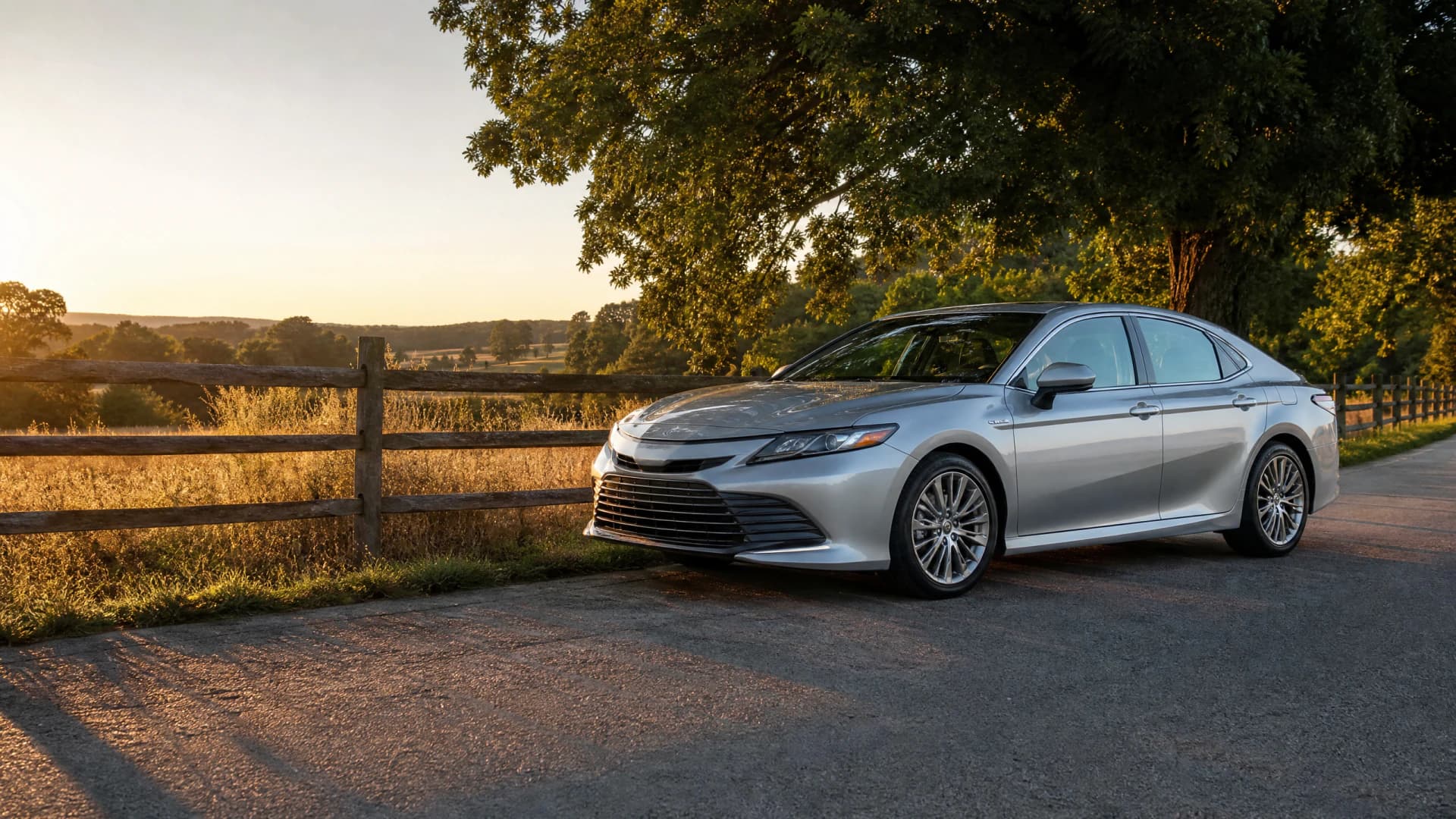
The blocker: you don't know whether your current carrier applied the discount, whether the certificate expired, or which course providers Georgia actually approves.
Related Articles







Low-Mileage Programs Require Enrollment
You now drive 6,000 miles annually. Your carrier still rates you at 12,000 or 15,000 because mileage programs are opt-in, not automatic. Progressive Snapshot, State Farm Drive Safe & Save, Geico DriveEasy, and Allstate Drivewise all write in Georgia and all offer mileage-based pricing, but none detect your mileage drop without enrollment.
Enrollment means installing a plug-in device or granting the carrier's app permission to track your phone's location and movement. For retirees uncomfortable with tracking, the alternative is a stated-low-mileage discount available from some carriers at quote time when you declare annual mileage under a threshold, typically 7,500 miles. Stated mileage is verified at claim time via odometer reading, so accuracy matters.
The failure mode Savannah couples hit: they assume the carrier knows they drive less now. Carriers assume nothing. If you retired two years ago, dropped your mileage by two-thirds, and never enrolled in a program or stated your new mileage at renewal, you're still paying the rate calculated for your pre-retirement driving pattern.
25
Carriers Writing Georgia Auto
Twenty-five carriers write personal auto in Georgia per state licensing records, but fewer than half actively market to retirees or clearly publish mature-driver discount details. Comparing three to five carriers that serve the senior segment well produces better results than quoting the household names only.
Georgia Department of Insurance carrier directory

Which Savannah Carriers Treat Retirees Well
State Farm, Geico, and Progressive write in Savannah, honor the statutory mature-driver discount, and offer online quoting. All three operate low-mileage or usage-based programs. USAA writes preferred-tier business and offers both mature-driver and low-mileage discounts, but eligibility requires military affiliation. Nationwide and Travelers also write standard-tier Georgia auto and publish mature-driver discount programs, though discount amounts beyond the statutory floor vary by carrier filing.
Non-standard carriers including Dairyland, The General, and GAINSCO write Georgia and serve drivers standard carriers decline, but their pricing for clean-record retirees typically runs higher than standard-tier alternatives. For a Savannah couple with a clean record and low mileage, standard-tier carriers nearly always produce lower premiums than non-standard options, so compare State Farm, Geico, Progressive, Nationwide, and Travelers first before moving to non-standard quotes.
Full Coverage on a Paid-Off Car
Your 2015 sedan is paid off and worth roughly $8,000. You're asking whether collision coverage and comprehensive coverage still earn their cost. The conventional threshold: when annual premiums for collision and comprehensive together exceed 10% of the vehicle's current value, many retirees drop both and self-insure the vehicle replacement risk.
For an $8,000 vehicle, that threshold sits around $800 annually, or roughly $65 per month for both coverages combined. If your current policy charges more than that for collision and comp together, and you have sufficient savings to replace the vehicle out of pocket if totaled, dropping both coverages and carrying liability insurance only becomes a reasonable judgment call. If the vehicle is your only car and replacing it would strain your budget, keeping collision and comp preserves access to a replacement vehicle without a large sudden expense.
The decision turns on your asset position and risk tolerance, not your age. Georgia requires liability coverage on all registered vehicles but does not mandate collision or comprehensive once a lien no longer exists.

Compare Carriers With Your Actual Profile
Request quotes from at least three carriers writing in Savannah. Provide your actual current annual mileage, confirm you've completed or will complete the state-approved course, and ask each carrier to quote both with and without collision and comprehensive so you see the cost difference in your specific situation. Quotes vary widely for the same coverage because carriers weight retirement status, mileage, and vehicle age differently in their pricing models.
State Farm, Geico, and Progressive all offer online quoting tools that accept low stated mileage and mature-driver-course completion. USAA requires eligibility verification but quotes online for qualifying members. Nationwide and Travelers typically require a phone call or agent contact for accurate senior quotes because their online tools may not surface all applicable discounts without manual review. Comparing five quotes produces a clearer picture of your realistic rate range than assuming your current carrier already gave you the best available price.
How to Confirm the Discount Posted
First, call your agent or the carrier's customer service line and ask directly whether a mature-driver or defensive-driving-course discount appears on your current policy. Ask for the percentage amount and the certificate expiration date on file. If the representative says the discount is already applied, ask them to read you the exact line item from your declarations page. Agents sometimes confuse the age-based discount some carriers offer automatically with the course-completion discount the statute requires.
Second, if no discount appears or the certificate expired, enroll in a Georgia-approved course. The Georgia Department of Driver Services maintains the approved-provider list at the DDS website under driver improvement programs. Courses run online or in-classroom format. Completion generates a certificate the provider sends you, not the carrier. Third, submit the certificate to your carrier and request written confirmation that the discount will appear at your next renewal. Save that confirmation. If the discount doesn't post, you have documentation for escalation.
Get Your Free Quote
Get My Georgia Retiree Auto Insurance QuoteFrequently Asked Questions
Does the Georgia mature-driver discount apply automatically at age 65?
No. Georgia law requires insurers to offer the discount to drivers 25 and older who complete a state-approved defensive driving course, but the discount is tied to course completion, not age alone. You must enroll in an approved course, submit the certificate to your carrier, and confirm the discount posted to your policy.
How long does the Georgia mature-driver course certificate last?
Most Georgia-approved course certificates remain valid for three years from the completion date. After three years, you must complete a refresher course and submit a new certificate to maintain the discount. Carriers will not notify you when the certificate on file expires; the discount simply disappears at your next renewal unless you submit a fresh certificate.
Can I drop collision and comprehensive on a paid-off car in Georgia?
Yes. Georgia requires liability coverage on all registered vehicles but does not mandate collision or comprehensive coverage once no lien exists. Whether dropping both makes sense depends on your vehicle's current value, your ability to replace it out of pocket, and your risk tolerance.
Do low-mileage discounts apply if I just drive less after retirement?
Not automatically. Carriers offer low-mileage and usage-based programs, but all require enrollment. You must either install a tracking device, grant app permissions, or state your annual mileage at quote time. Carriers do not detect mileage drops on their own; if you never enrolled, you're still rated at your pre-retirement mileage.
Which Savannah carriers offer the best rates for retired couples?
State Farm, Geico, Progressive, Nationwide, and Travelers all write standard-tier auto in Savannah and honor the Georgia mature-driver discount. USAA offers strong pricing for eligible military-affiliated retirees. Rates vary by carrier, so comparing quotes from at least three produces better results than assuming your current carrier is already competitive.
Does Medicare replace medical payments coverage on my Georgia auto policy?
No. Medicare covers medical bills after an accident, but medical payments coverage on your auto policy pays immediately without deductibles or coordination delays. For retirees on Medicare, med pay provides faster access to care and covers expenses Medicare may not, such as certain copays or non-covered services. Whether you keep it depends on your Medicare supplement plan and out-of-pocket risk tolerance.