
Georgia Auto Insurance After Dropping a Second Car
Free to compare
When the Multi-Car Discount Disappears
You sold your spouse's vehicle or removed a second car from the policy, expecting a meaningful reduction. The carrier removed the multi-car discount, and the premium dropped less than you thought it would. Now you're left with a single vehicle on a policy structure built for two cars, paying rates that don't match your current situation.
Georgia carriers treat the removal of a vehicle as a straightforward policy change: they drop the multi-car discount and recalculate. What they rarely do is audit the surviving policy for programs you might now qualify for. Low-mileage discounts, usage-based telematics programs, and single-driver household rates all require you to ask. The reduction you expected requires action beyond removing the vehicle from the policy.
“Carriers remove the multi-car discount but rarely audit the surviving policy for programs you now qualify for.”

Keep Your Georgia Coverage Right for Retirement
Get My Georgia Retiree Auto Insurance Quote10%
Georgia Mature-Driver Discount Floor
Georgia law requires insurers to offer at least a 10% discount to drivers who complete a state-approved defensive driving course, regardless of age. O.C.G.A. §33-9-42 creates the statutory floor; carriers may exceed it but must file the amount with the state.
O.C.G.A. §33-9-42
What Actually Changed When You Dropped the Car
The multi-car discount compensates carriers for insuring two vehicles under one policy, reducing administrative overhead and spreading risk across a larger premium base. When you remove a vehicle, the carrier removes that discount and recalculates liability and physical damage coverage for the remaining car. Your premium reflects one vehicle now, but it still carries the rate class, mileage tier, and driver profile from the original policy audit.
If the second car was driven by a spouse who has since passed away or surrendered a license, your household now has one driver and one vehicle. That structural change unlocks eligibility for programs your carrier won't mention unless you ask: single-driver household discounts, low-mileage programs for retirees who no longer commute, and usage-based telematics that reward the light driving pattern typical of a one-car retiree household.
Georgia's mature-driver-course discount requires completion of a state-approved defensive driving program. If you qualified before but never submitted the certificate, or if your certificate expired and wasn't renewed at the last policy term, now is the moment to re-verify. Carriers do not automatically apply the discount at renewal when household structure changes; you must request it and provide current proof.
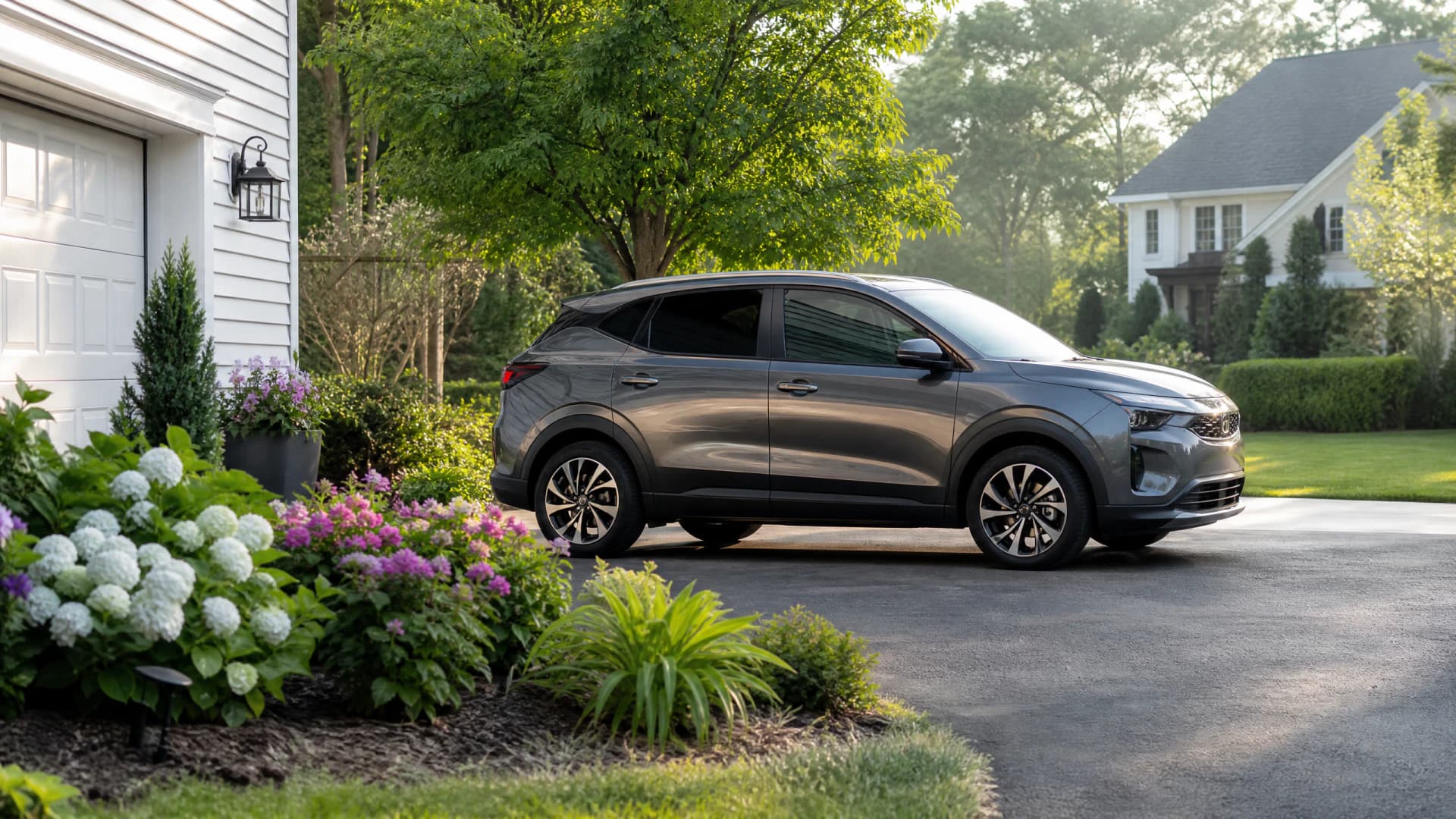
Your carrier recalculated for one vehicle but kept the mileage estimate and driver profile from the two-car audit. Those inputs control your rate tier, and they're stale.
Related Articles

Retiree Car Insurance After Dropping Second Car
6/15/2026

Retiree Rates After Dropping Second Car GA
6/15/2026

Dropping a Second Car in Savannah GA
6/15/2026

Car Insurance After Dropping Second Car Athens
6/15/2026

Dropping Second Car Insurance Sandy Springs
6/15/2026

Car Insurance After Dropping Second Car Albany
6/15/2026

Coverage Fit on a Paid-Off Single Vehicle
If the car you kept is paid off and has depreciated below a certain threshold, full coverage may no longer earn its cost. Collision and comprehensive coverage pay the actual cash value of the vehicle at the time of a total loss, minus your deductible. When that value drops to a level where a few years of collision premiums equal or exceed the potential payout, many retirees choose to drop physical damage coverage and keep only liability.
Georgia requires minimum liability limits of $25,000 per person, $50,000 per accident for bodily injury, and $25,000 for property damage. Those minimums protect the other driver but leave your own retirement assets exposed in an at-fault accident. If you own a home or carry meaningful savings, consider higher liability limits: $100,000/$300,000/$100,000 or $250,000/$500,000/$100,000. The incremental premium cost for higher liability coverage is often modest compared to the asset protection it provides.
Georgia does not mandate personal injury protection or medical payments coverage. If you carry Medicare, med-pay overlaps with your federal health coverage in most scenarios. Medicare Part B covers injuries from auto accidents once you've met your deductible. Confirm with your Medicare supplement or Medigap plan whether additional med-pay makes sense for your situation. Many Georgia retirees drop med-pay when they confirm Medicare adequately covers accident-related medical bills.
Uninsured motorist coverage is not required in Georgia but remains relevant. Georgia tracks insurance compliance through the Georgia Electronic Insurance Compliance System, but a meaningful share of drivers still operate without coverage. Uninsured motorist bodily injury coverage steps in when an at-fault driver carries no insurance or insufficient limits to cover your injuries. For retirees with Medicare, the bodily injury gap is smaller than for younger drivers, but property damage coverage for your vehicle still matters if the at-fault driver is uninsured.
25
Georgia Carriers Writing Senior Policies
At least 25 carriers write personal auto policies in Georgia and accept senior drivers, spanning preferred, standard, and non-standard tiers. Mature-driver and low-mileage program availability varies by carrier; not all offer both, and discount structures differ even when programs exist.
Georgia Department of Insurance carrier filings

Comparison Strategy for Single-Car Retirees
When you remove a second vehicle, your rate class and tier assignment shift. Carriers price single-car policies differently, and those differences widen for retirees. State Farm, Geico, Progressive, Nationwide, and American Family all write in Georgia and offer mature-driver discounts tied to course completion. Allstate, Travelers, and Auto-Owners operate in the state with varying low-mileage and senior-program structures. Direct carriers such as Geico and Progressive allow online quotes; others such as Auto-Owners require broker submission.
Request quotes from at least three carriers, disclosing your current annual mileage, your single-driver household status, and completion of a state-approved defensive driving course if applicable. Verify that each quote reflects the mature-driver discount and any low-mileage tier you qualify for. Carriers will not volunteer that you now qualify for programs the original two-car policy never triggered. You must state the change explicitly when requesting the quote.
Georgia's mature-driver-course requirement is age-neutral under O.C.G.A. §33-9-42: any driver 25 or older with a clean record who completes an approved course qualifies for at least the statutory 10% discount. Approved providers include AARP, AAA, the National Safety Council, and state-approved online platforms. Course costs vary by provider and are not tracked in state filings; contact the provider directly. The certificate you receive upon completion is valid for the period stated by the insurer, typically three years. Submit it to your carrier at enrollment and again at the expiration date to maintain the discount. Missing the renewal window means losing the discount until you complete a new course and resubmit.
Compare Georgia Carriers Now
You removed a vehicle, but your carrier kept the old rate structure. Request a mileage audit, confirm your mature-driver-course discount is active, and compare quotes from carriers who price single-car retiree policies competitively. Georgia law guarantees the discount floor; the question is which carrier applies the most favorable total rate to your current household. Get three quotes disclosing your updated mileage, single-driver status, and course completion. The reduction you expected when you dropped the second car is available, but it requires you to ask.
Re-Audit Your Policy for One-Car Programs
Low-mileage programs reward annual mileage below carrier-specific thresholds, often between 7,500 and 10,000 miles per year. Progressive, State Farm, Geico, and Nationwide all operate mileage-tier pricing in Georgia. If the second car carried most of your household's driving, your surviving vehicle may now fall into a lower tier. Request a mileage audit at renewal or mid-term. Carriers verify mileage through odometer photos, annual declarations, or telematics devices that track actual usage.
Usage-based telematics programs such as Progressive's Snapshot, State Farm's Drive Safe & Save, and Nationwide's SmartRide score your driving patterns directly: hard braking, acceleration, time of day, and total miles driven. Retirees who drive infrequently, avoid rush hour, and maintain smooth driving habits typically score well. Enrollment requires installing a plug-in device or using a mobile app for a 90-day monitoring period. Discounts apply at the next renewal based on your score. If you now drive one car lightly, telematics converts behavior into savings the old policy structure never captured.
Get Your Free Quote
Get My Georgia Retiree Auto Insurance QuoteFrequently Asked Questions
Will my Georgia car insurance automatically adjust when I remove a second vehicle?
Your carrier will remove the multi-car discount and recalculate for one vehicle, but they will not automatically audit your policy for low-mileage programs, single-driver discounts, or mature-driver-course credits. You must request those adjustments and provide updated mileage and course documentation. The premium reduction you expect requires explicit action beyond removing the vehicle from the policy.
How do I qualify for Georgia's mature-driver discount after dropping a car?
Georgia law requires insurers to offer at least a 10% discount to drivers 25 or older who complete a state-approved defensive driving course and maintain a clean record. Complete an approved course from AARP, AAA, the National Safety Council, or a state-approved online provider, then submit the certificate to your carrier. The discount applies at your next renewal and remains valid for the period stated by your insurer, typically three years.
Should I keep full coverage on a paid-off car in Georgia?
Collision and comprehensive coverage pay the actual cash value of your vehicle minus your deductible. When a vehicle's value drops to a level where several years of physical damage premiums equal the potential payout, many retirees drop collision and comprehensive and keep only liability. Georgia does not require physical damage coverage on paid-off vehicles; the decision depends on your vehicle's current value and your tolerance for self-insuring a total loss.
Which Georgia carriers offer the best rates for single-car retirees?
State Farm, Geico, Progressive, Nationwide, and American Family all write in Georgia and offer mature-driver and low-mileage programs. Rate competitiveness varies by your specific profile, mileage, coverage selections, and location. Request quotes from at least three carriers, disclosing your single-driver household status, updated mileage, and course completion. Comparison reveals which carrier prices your current situation most favorably.
Do I need medical payments coverage in Georgia if I have Medicare?
Georgia does not require medical payments coverage. Medicare Part B covers injuries from auto accidents once you meet your deductible. Verify with your Medicare supplement or Medigap plan whether additional med-pay provides value for your situation. Many Georgia retirees with comprehensive Medicare coverage choose to drop med-pay to reduce premium costs.
How does Georgia verify my mileage for low-mileage discounts?
Georgia carriers verify mileage through odometer photos submitted at renewal, annual mileage declarations, or telematics devices that track actual usage. Progressive, State Farm, Geico, and Nationwide all operate mileage-tier pricing. Request a mileage audit when you remove a vehicle to ensure your surviving car is rated in the correct tier. Carriers do not automatically adjust tier assignment when household driving patterns change.